
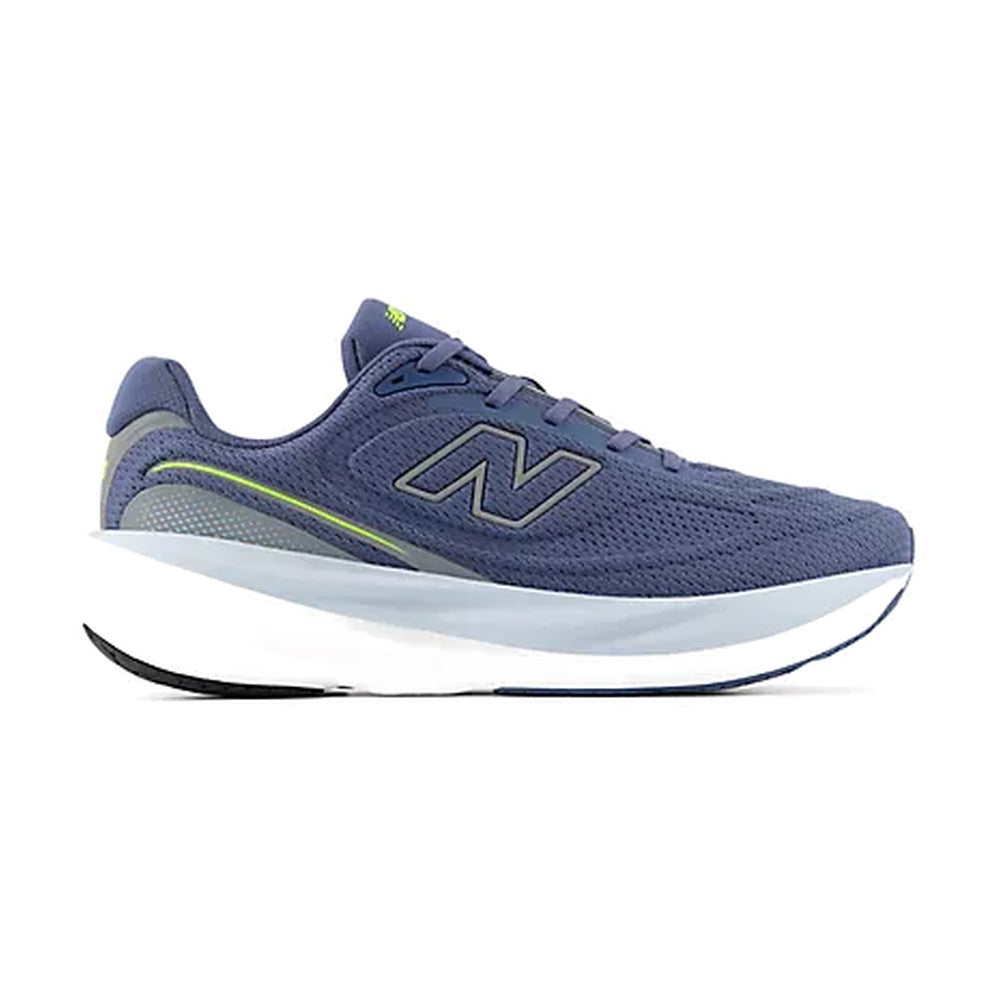
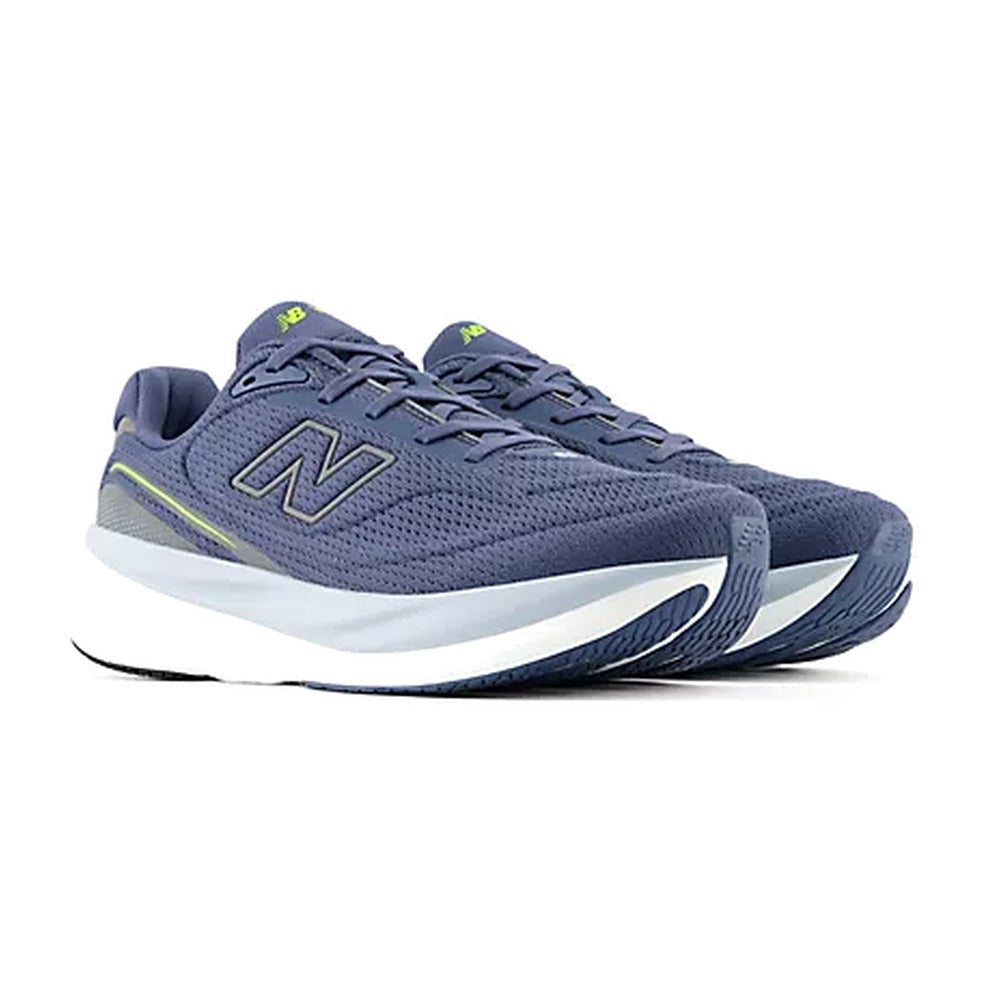
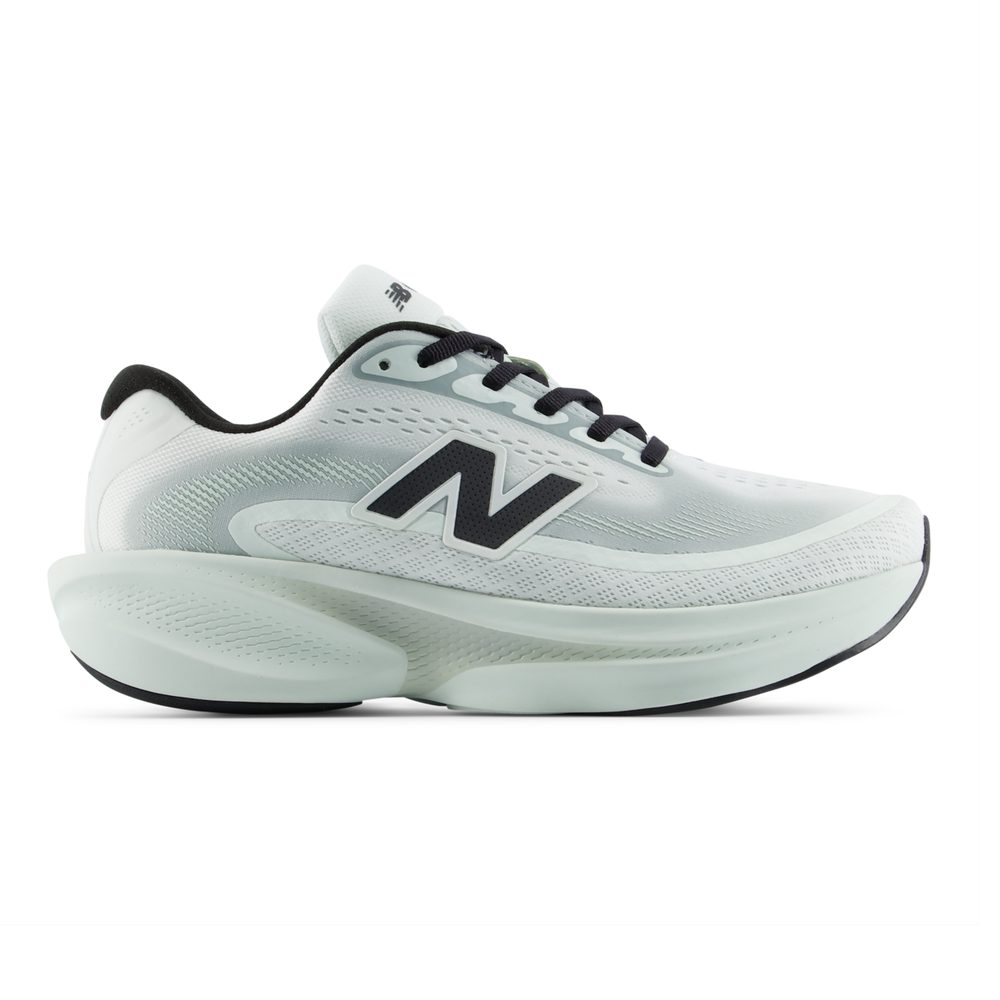
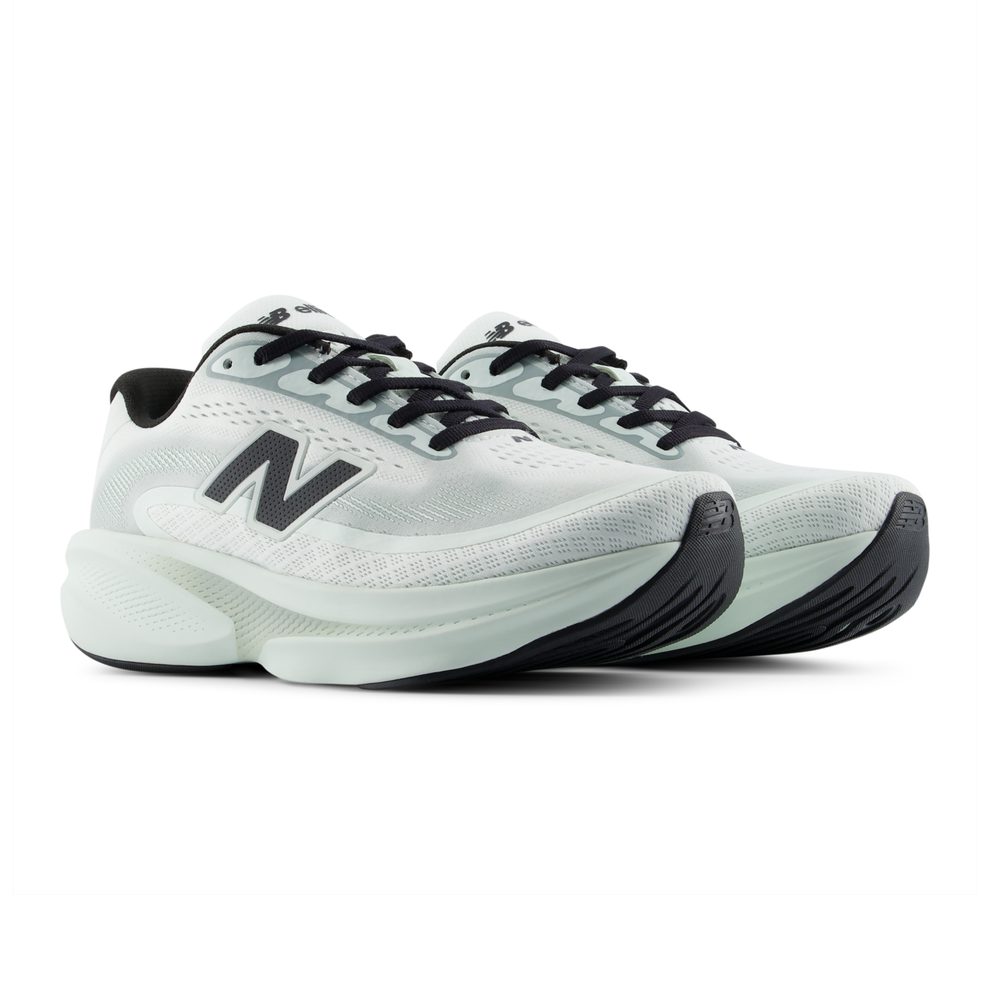
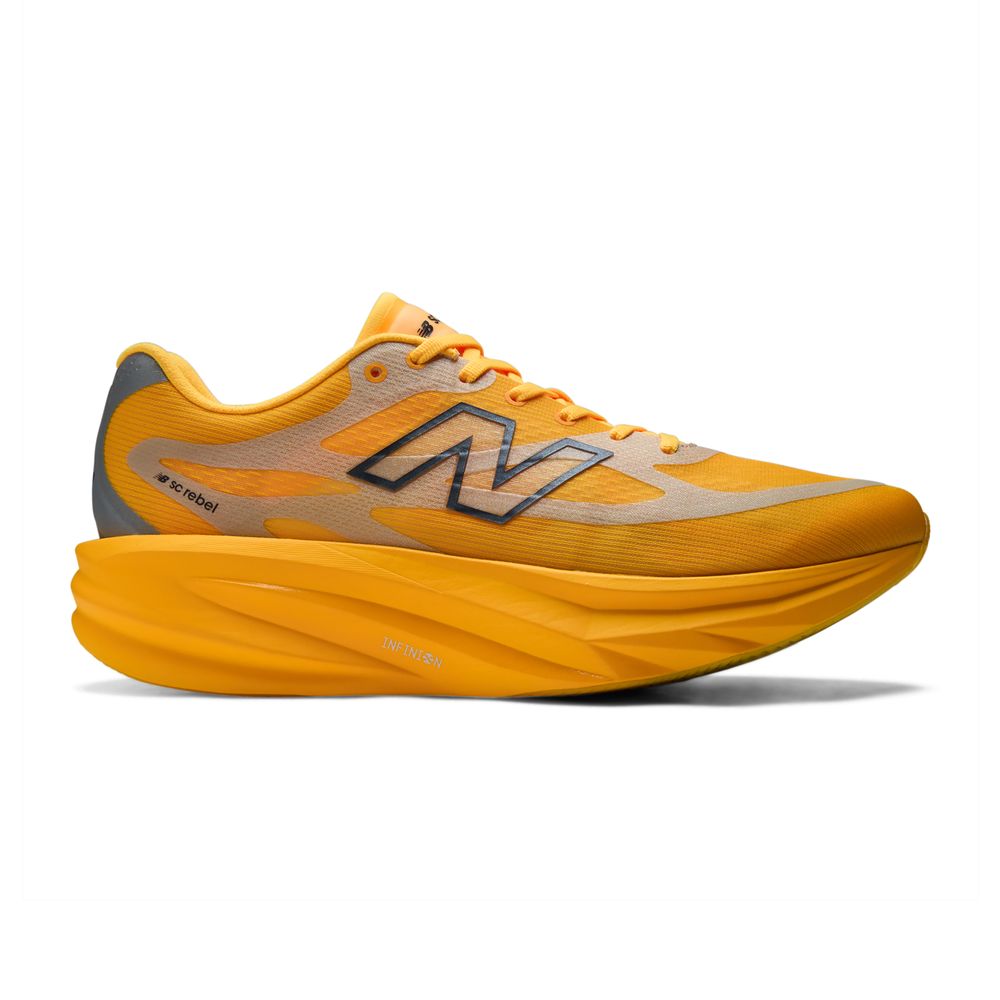
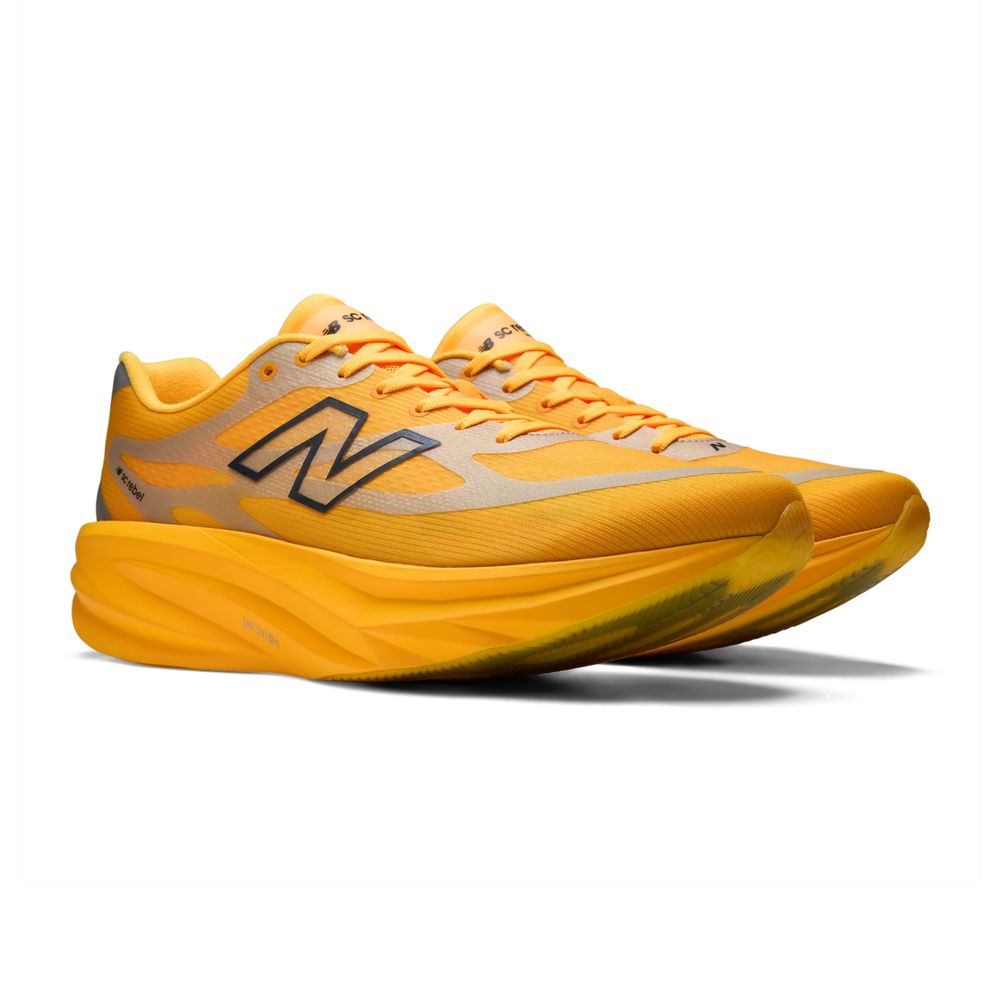
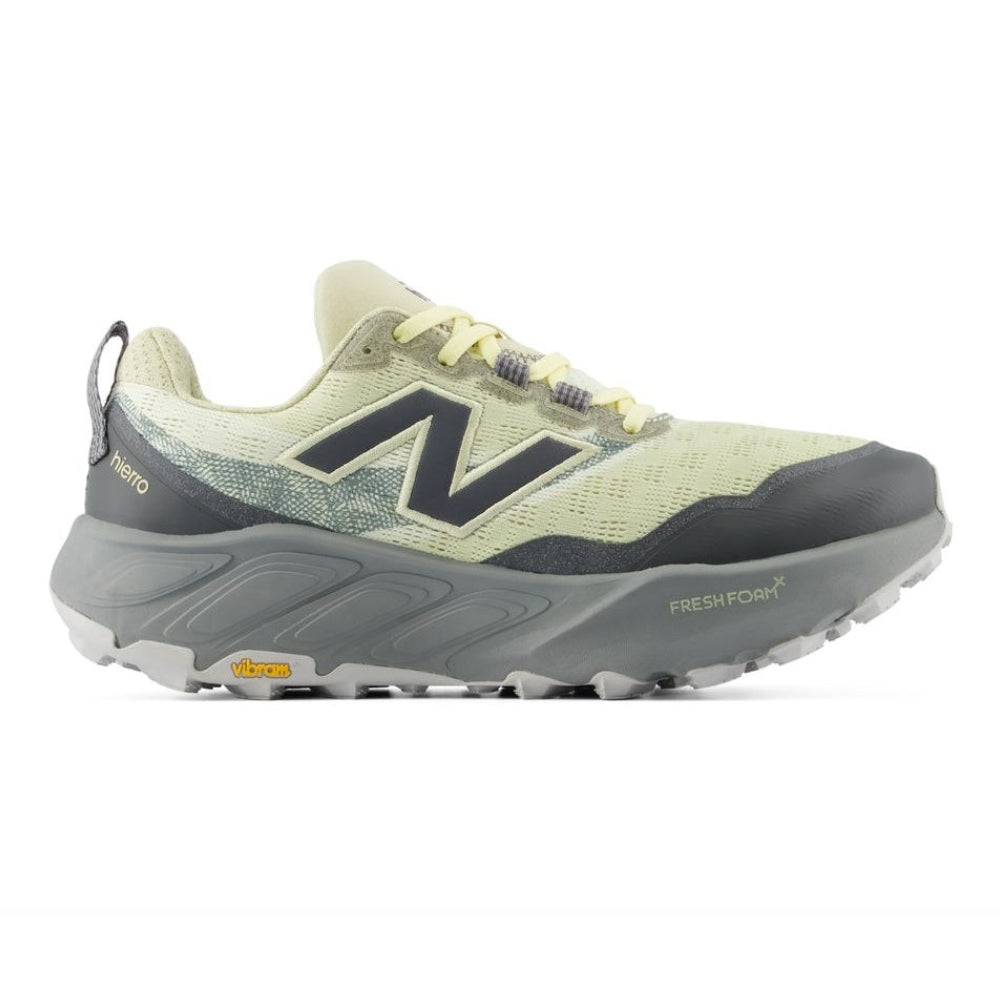
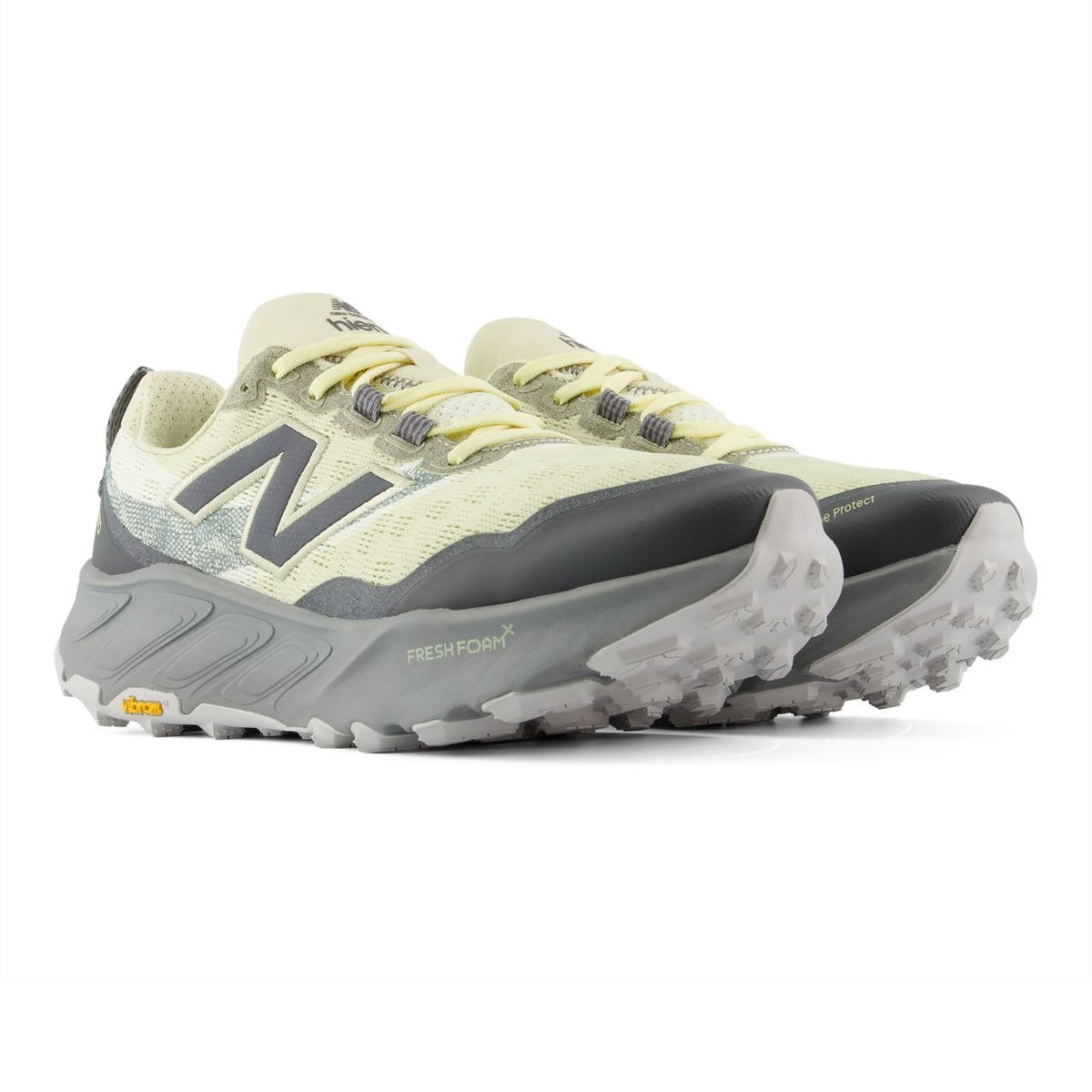
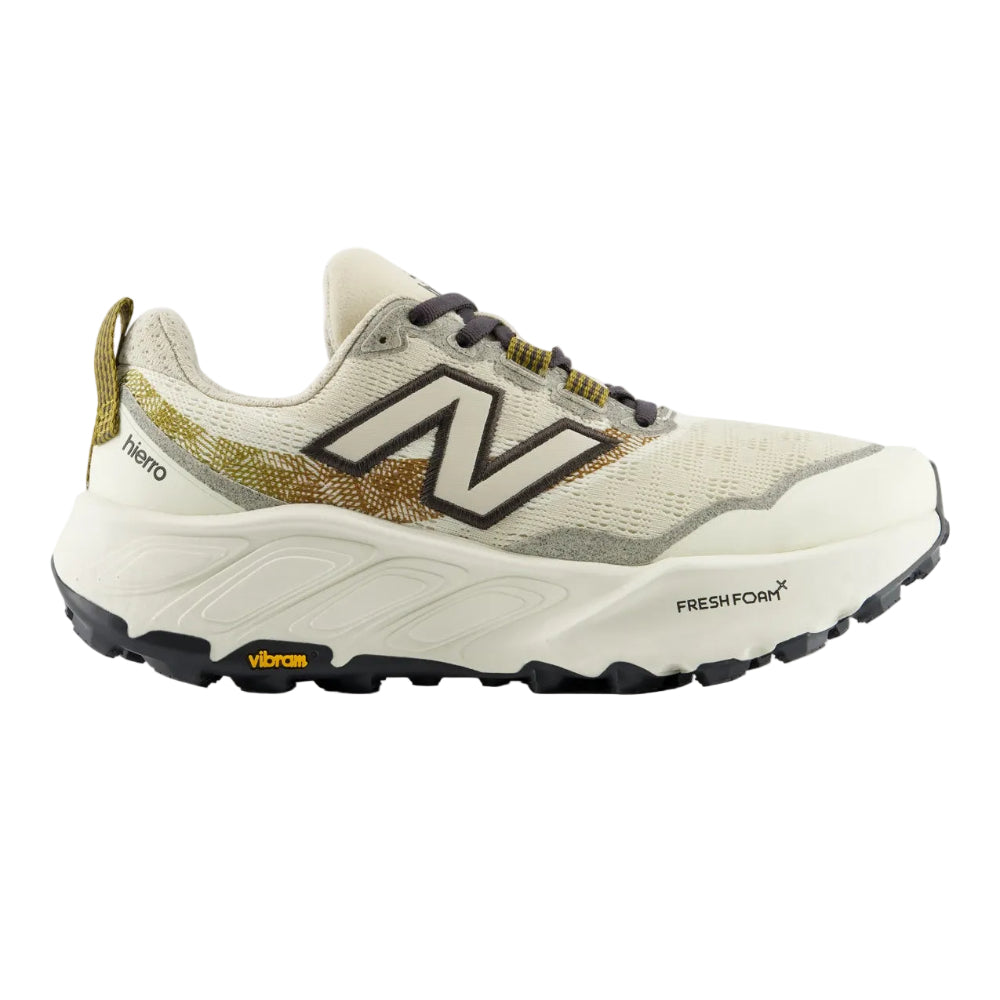
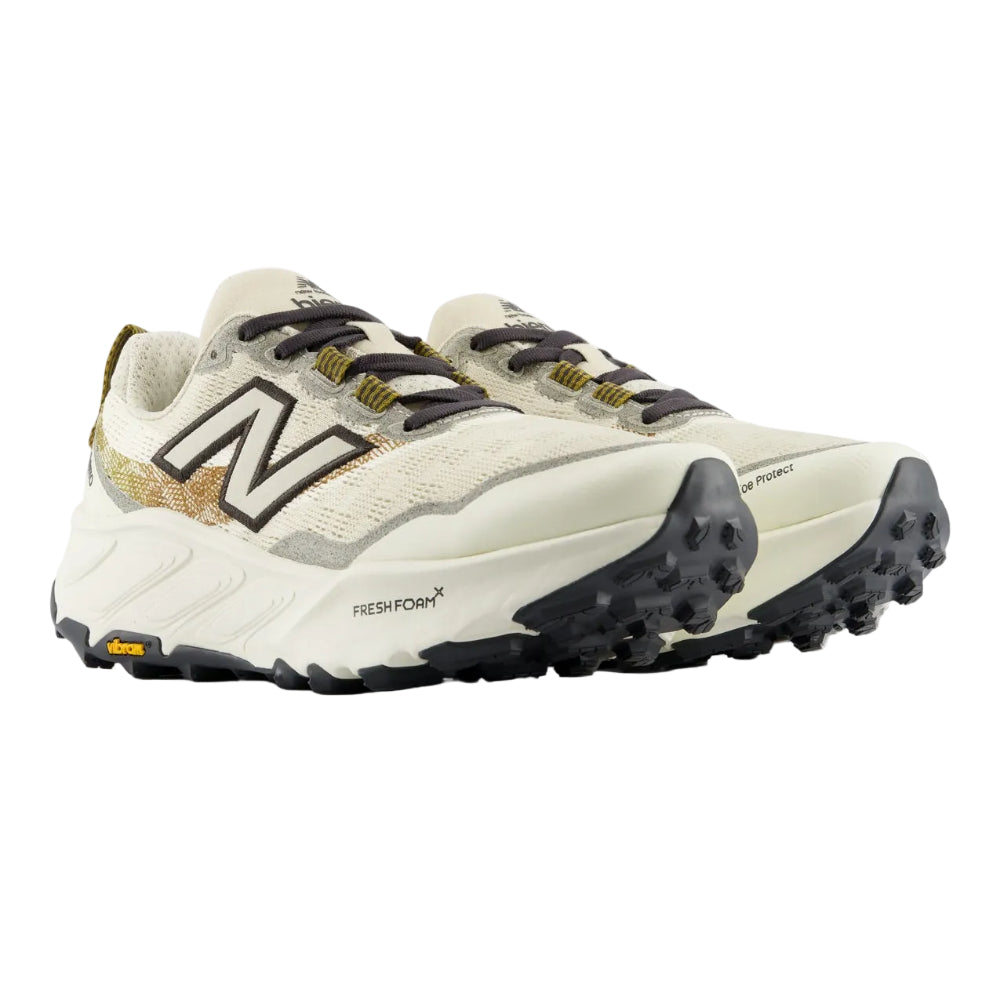


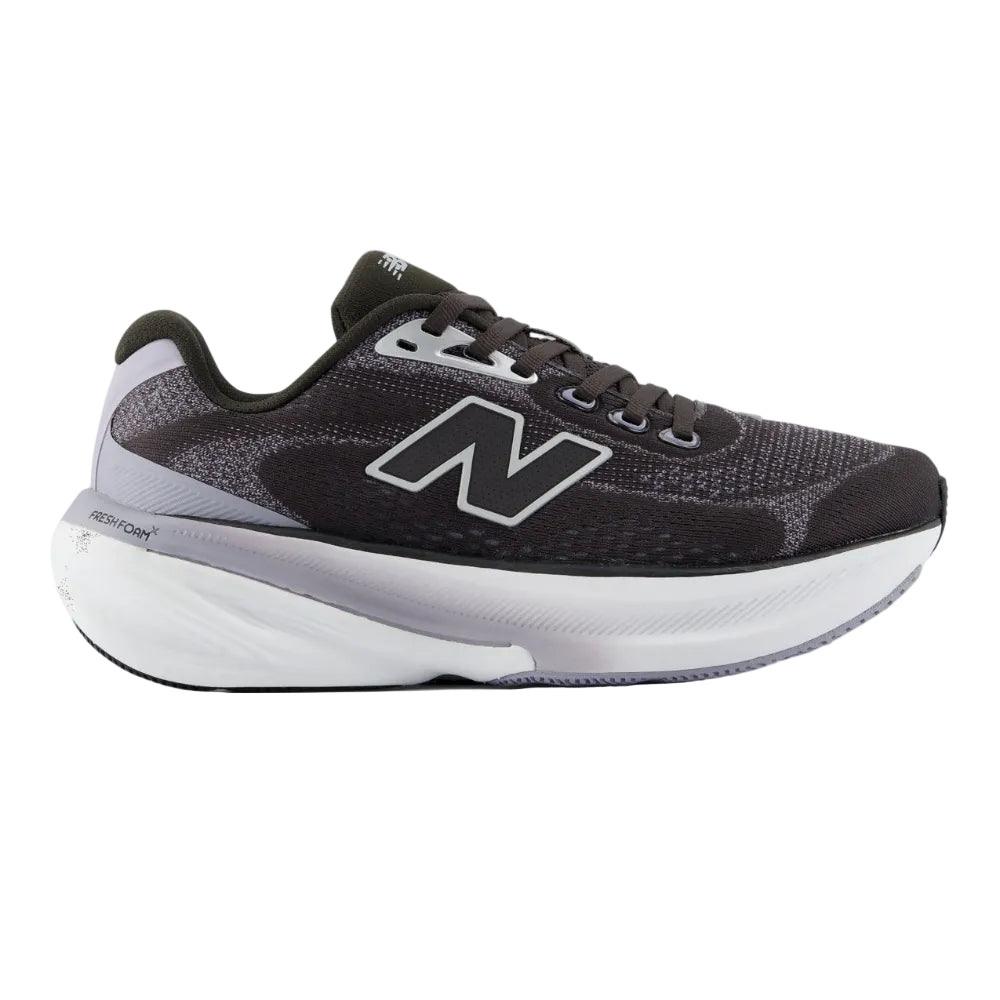
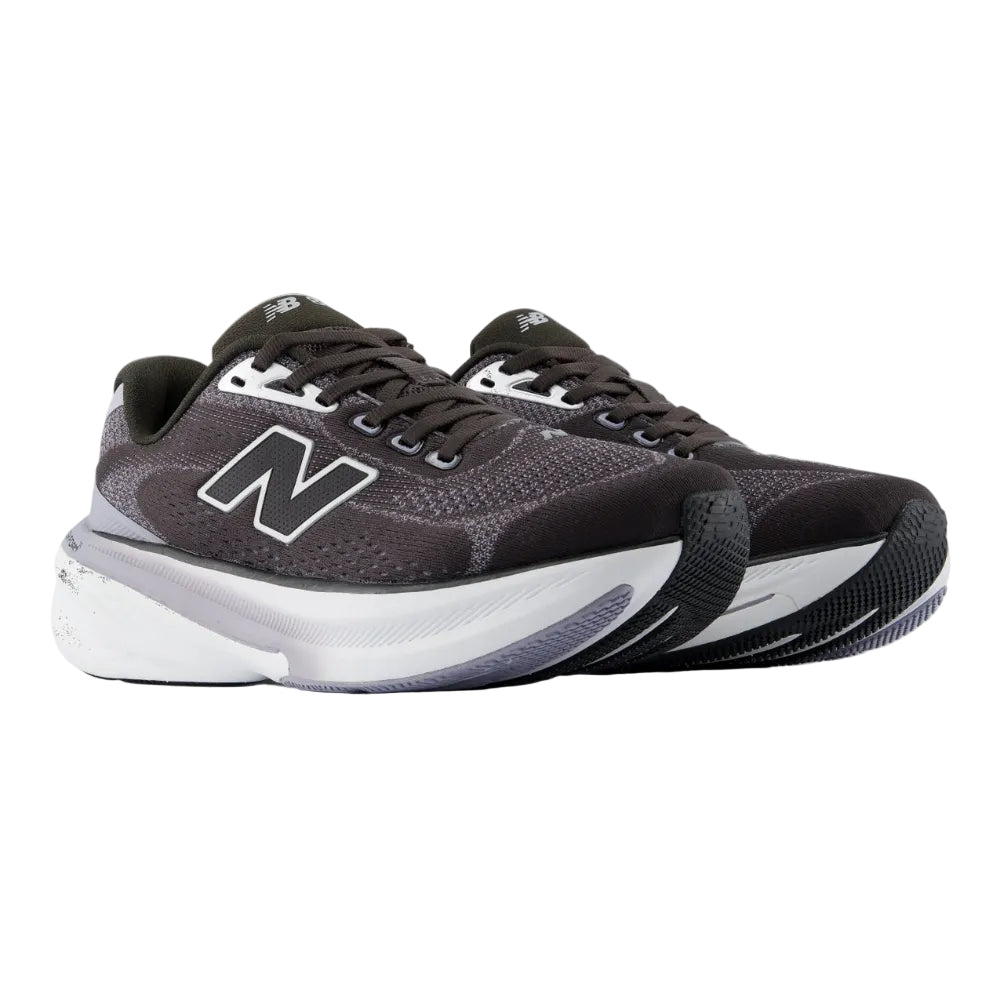


ASPHALT | TRAIL
In 1906, a waiter and shoemaker named William J. Riley , observing three-legged feet, developed an arch support system that he sold across the US under the name New Balance Arch. The invention consisted of a pad that was placed in the insole of the shoes, right where the sole of the foot creates an arch, making them more comfortable. It was a minor modification, but Riley was the first to develop it due to his obsession with comfort and a perfect fit, surpassing his competitors. In 1933, he hired Arthur Hall as his sales manager and partner, who developed a home gait study to adapt the New Balance Arch to each customer. They called it the "pedegraph box" and it consisted of two pieces of tracing paper that were used to record the shape of their customers' feet. The first New Balance shoes came out in the late 1930s and were specially designed for a local club known as the Boston Brown Bag Harriers . This meant that soon all runners wanted New Balance shoes. In 1953, Riley sold the company to Hall's daughter, Eleanor Kidd, and under her direction came the first truly modern New Balance model: the Trackster, the first ultralight running shoe with a lug sole. Its wavy sole was a milestone in sneaker design and promised to give athletes the "Go Power" they needed from start to finish. Although the most important thing for the brand was that they were the first shoes available in multiple widths, this remains the case today: their models are manufactured in sizes ranging from 2E to 6E to fit all foot types. In the 1970s, young entrepreneur Jim Davis bought a pair of Tracksters , as every American did at the time, but he was so impressed by them that he decided to buy the entire company. So, after two decades at the helm, Eleanor Kidd and her husband decided to sell the company in 1972. What Jim Davis didn't know was that the company only had six people producing a few dozen shoes a day. Despite having revolutionized the sneaker world in a very short time, it was still a family business. Davis got to work and assembled a team of thinkers and tinkerers to expand the company. He was the one who decided to put an N on the side of every shoe they made. Their first success came with the nylon 320s they launched in 1976. They were lightweight, shiny, and built to the same high-performance standards the brand had cultivated. However, what really boosted sales was being named the best running shoe by Runner's World Magazine. Suddenly, New Balance was the brand of the moment and began producing more than 500 shoes a day. Today, the company has facilities in England, with one in three pairs sold in the European market. New Balance has been a brand that grew through word of mouth since its inception, something that continues to work for them. Success continues to accompany them, and millions of runners continue to trust the brand.

Shipping to all of Spain and Portugal
Delivery 24H to the peninsula, 48/72H to the islands

Shipping
Free shipping on orders over €59

Returns
Returns and exchanges up to 30 days

Pay later
Buy now, pay later with Klarna and SeQura